Your Local
leak detection specialists

Leak detection finds the source of your water or gas leak before anything gets dug up or pulled apart. Not all plumbers have the equipment or experience to do what we do.
  • Licensed & Insured
  • Qualified Professionals
Home

Leak detection for homes and businesses

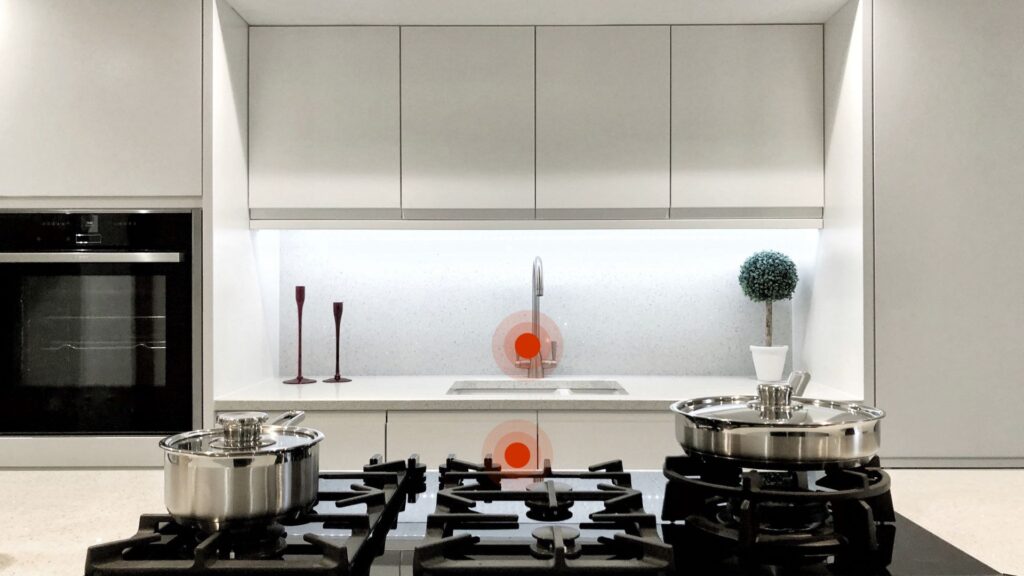
Concealed water leaks, gas leaks, pool and spa leaks, roof leaks and underground pipe leaks are all covered under one enquiry. Residential, commercial and strata properties are handled the same way, priced against what actually has to be searched rather than a generic call-out rate.
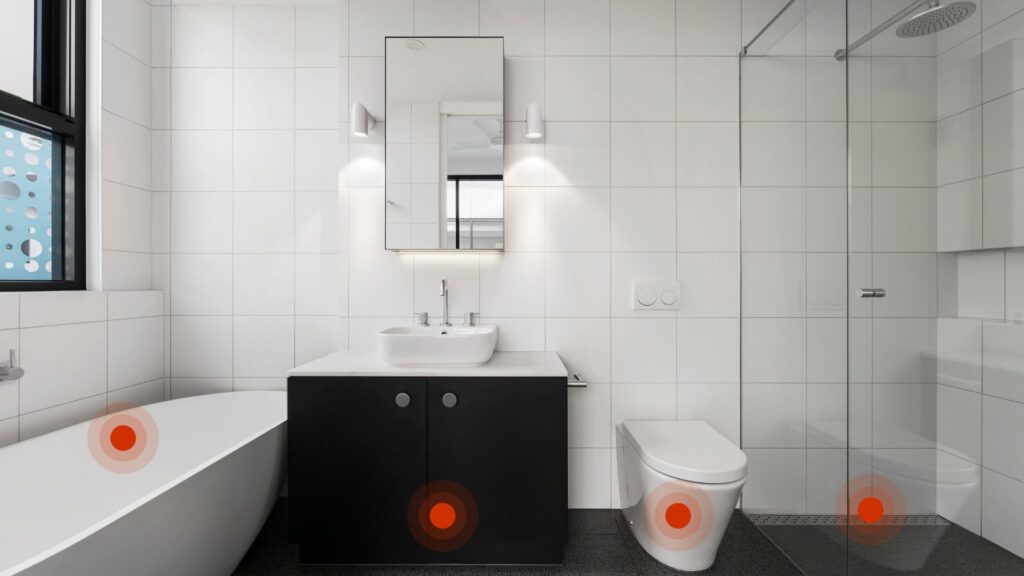
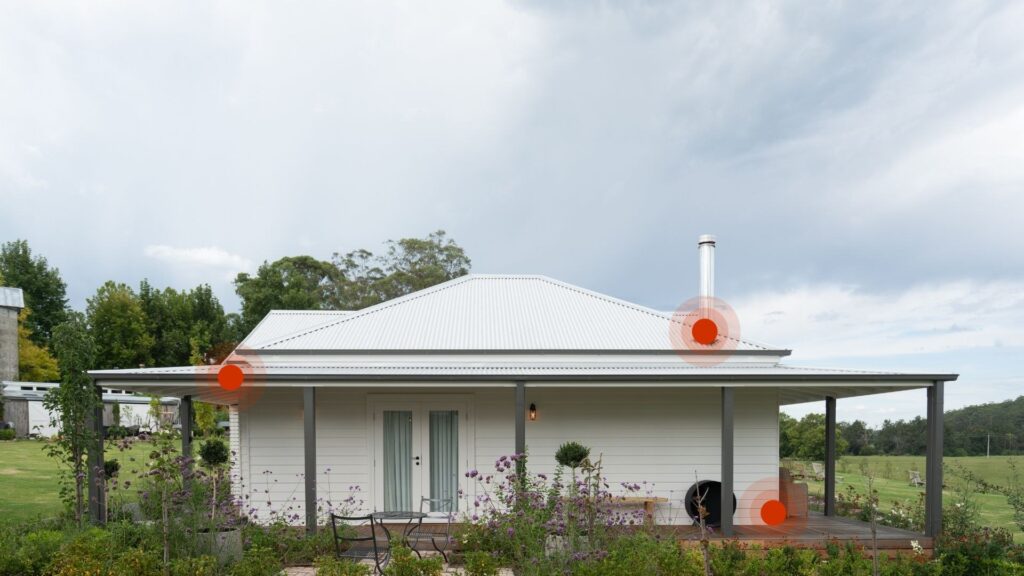
We find the leak before demolishing walls

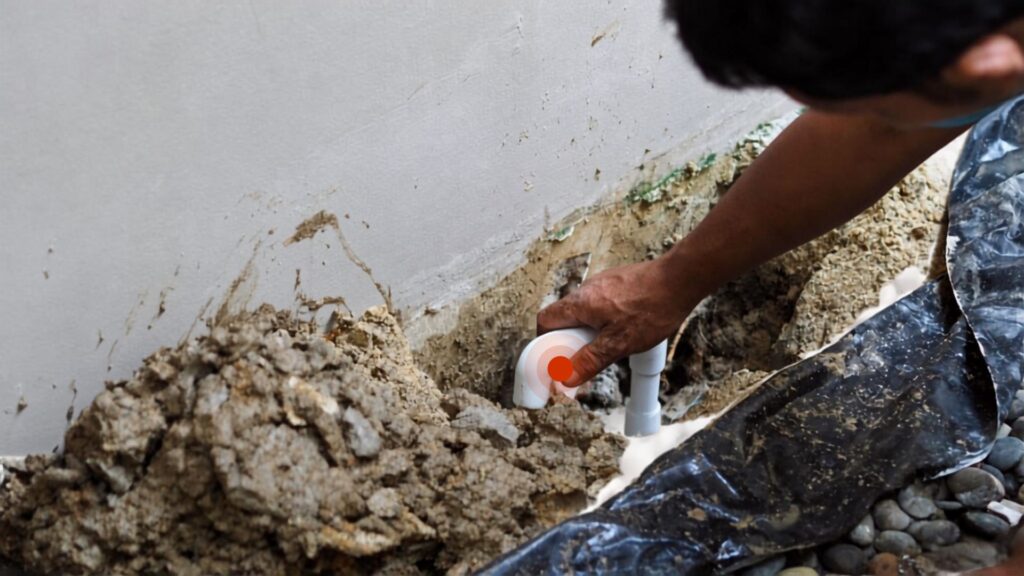
Most of the cost in a leak is not the repair, it is the searching. Acoustic correlation, thermal imaging and tracer gas narrow the problem to a small area first, so what gets opened up is the size of a dinner plate rather than a room. Coverage spans every capital city and the metro areas around them.

  • Acoustic Listening
  • CCTV Drain Camera
  • Dye Testing
  • Meter Isolation
  • Moisture Metering
  • Pressure Testing
  • Thermal Imaging
  • Tracer Gas
Home
Home

Who this service is for

  • Homeowners facing a water bill that has jumped with no change in use
  • Pool owners topping up far more often than evaporation alone would explain
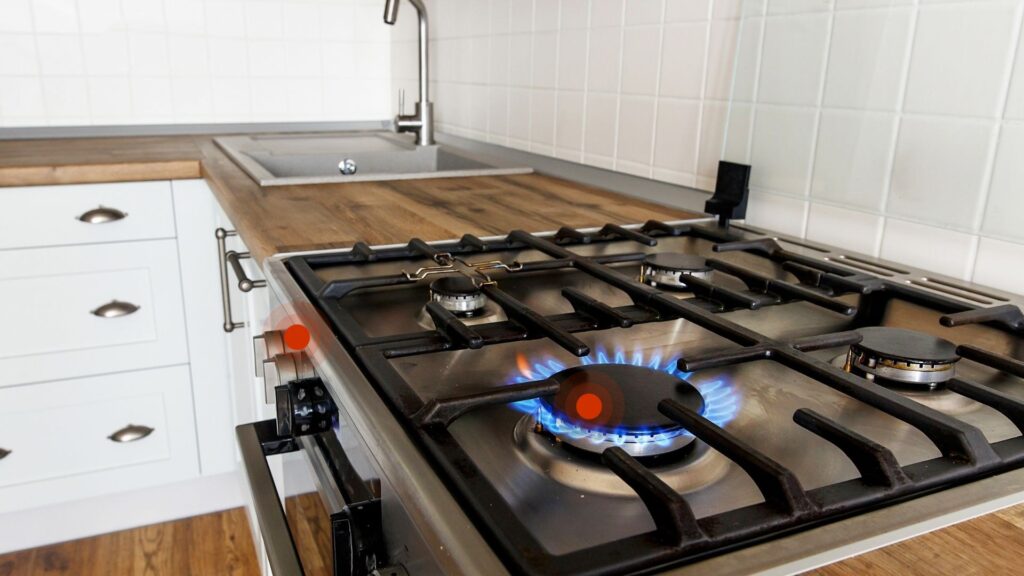
  • Anyone who has smelt gas and needs the source found and made safe
  • Landlords and property managers needing a leak located and documented for a claim
  • Strata, commercial and industrial sites tracing losses across long buried mains

Why people choose Leak Detective

Leaks pinpointed

The leak is pinpointed with acoustic and thermal equipment first, so excavation is targeted rather than exploratory.

Licensed works only

Every job is carried out under a current plumbing licence, with a gasfitting endorsement where the work involves gas.

Urgent jobs prioritised

Active water running, a suspected gas leak or water reaching electrical fittings is treated as urgent and pushed to the front of the queue.

Full written report

Findings are documented in a form that can be lodged with an insurer or a water authority for a concealed leak allowance.

General questions

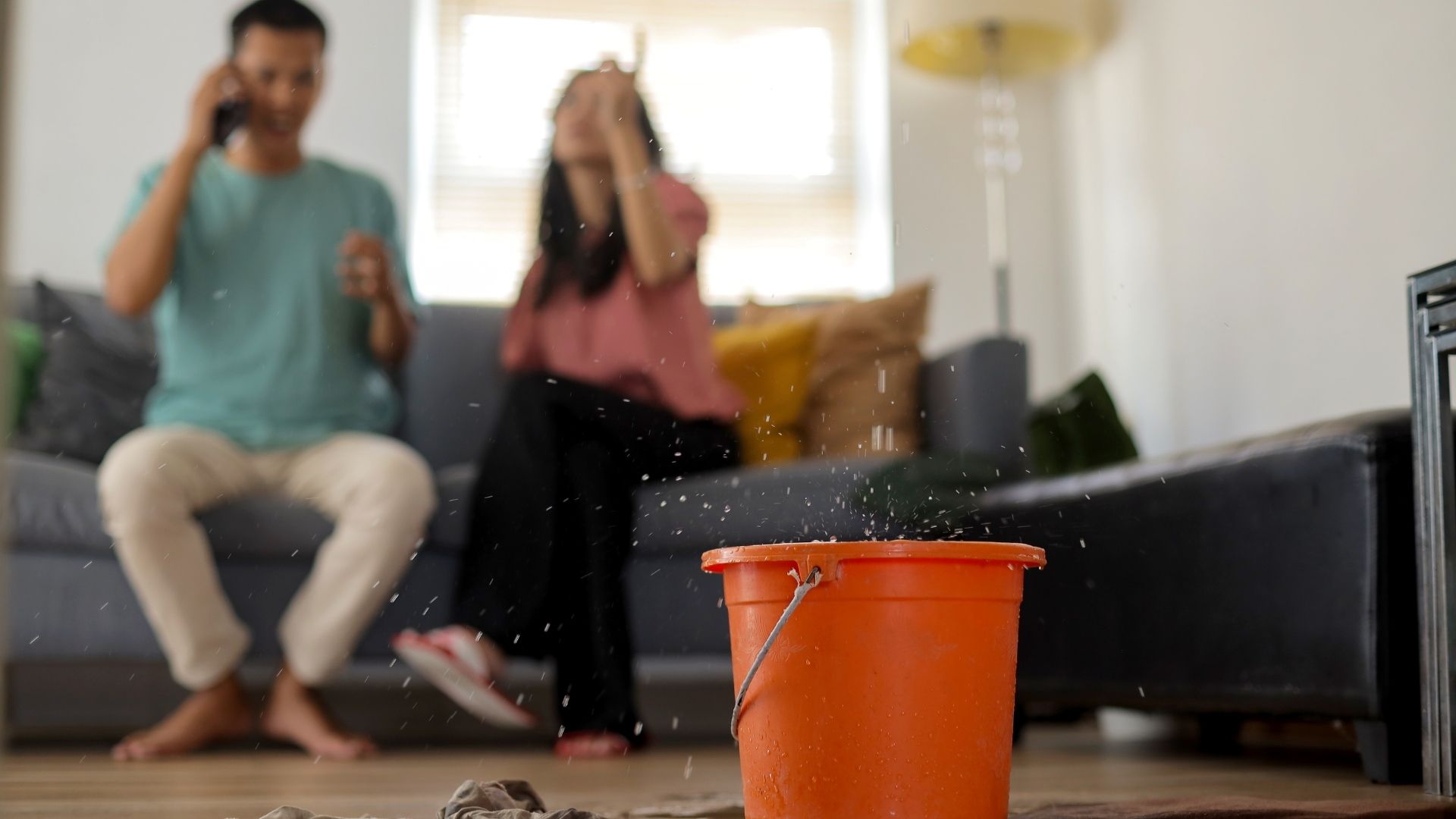
The clearest test is the meter. Turn off every tap and appliance, note the meter reading, then check it again after an hour with nothing used. Any movement means water is escaping somewhere. Other signs are a bill that has climbed without a change in use, warm patches on a floor, mould in one spot that keeps returning and the sound of running water in a quiet house.

Water escaping a pressurised pipe makes a distinctive noise that carries along the pipe wall. Acoustic ground microphones and correlators pick that sound up through soil, concrete and tile and triangulate the source. Where the noise is too faint, tracer gas is introduced into the line and detected at the surface, or thermal imaging picks up the temperature difference a leak leaves behind.

Almost always, because the expensive part of a buried leak is the reinstatement. Lifting a driveway, cutting a slab or pulling up tiled floors to search costs far more than locating the leak first and opening one small section. Detection also rules out the pipes that are fine, which stops the same wall being opened twice.

In many cases yes. Most Australian water authorities run a concealed leak allowance or remission scheme that can credit part of the excess water charged on a bill, provided the leak was hidden, was not the result of neglect and was repaired promptly. The rules, time limits and evidence required differ by authority and are set out on each city page.

Shut the water off at the mains tap near the meter and turn the tap furthest from it on to drain the pressure out of the line. If water is anywhere near electrical fittings or a switchboard, kill the power too. A burst inside a wall or under a slab rarely announces itself as a flood, so where the damage is showing and where the pipe actually failed can be a long way apart.